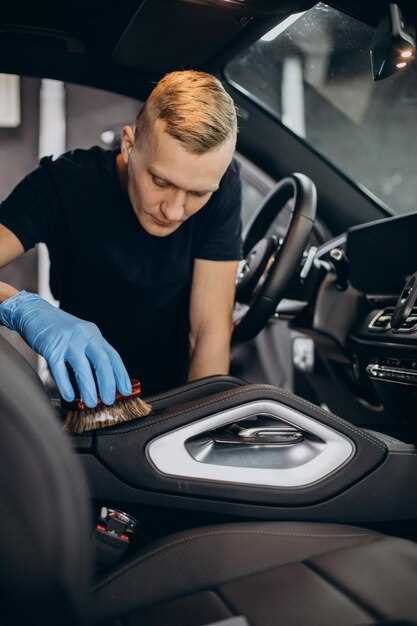
Regular assessment of the state of your car’s inner space can significantly impact its longevity. Start by examining materials such as upholstery and dashboard elements for any signs of wear and tear. Look for scratches, stains, and discoloration that can indicate neglect. Investing in protective covers and regular cleaning routines will help maintain the aesthetics and function of these surfaces.
Pay attention to the cleanliness of the compartments and storage areas. A clutter-free environment not only enhances the visual appeal but also promotes a sense of organization and reduces distractions while driving. Clear out any debris or unnecessary items that may accumulate over time.
Consider the impact of odors as they can be a clear indicator of poor upkeep. Regularly use air fresheners or odor eliminators to keep the atmosphere pleasant. Additionally, check the condition of the floor mats and carpets; they should be regularly vacuumed and deep cleaned to prevent mold and unpleasant smells from developing.
Lastly, inspect and maintain all functional accessories within the cabin, such as seat adjustments, infotainment systems, and lighting. Ensuring these elements are in good working order not only enhances comfort but also signifies the care and attention given to your vehicle.
Assessing Upholstery Condition for Longevity
Regular inspection of upholstery is critical for maintaining its durability. Begin by examining for signs of wear, such as fraying seams or fading fabric. Use a soft brush or vacuum to remove dirt and debris that can cause premature degradation.
Evaluate the color integrity. If you notice uneven fading, consider applying a specialized fabric protector to restore some of the original luster. For leather surfaces, ensure they are moisturized with appropriate conditioners designed for leather care to prevent cracking.
Look for stains or spills. Treat these immediately with suitable cleaning agents specific to the upholstery type. Always test cleaners on a small, inconspicuous area first to avoid damage.
Check for structural issues as well. Loose or damaged cushions should be repaired or replaced promptly to maintain comfort and prevent further damage. Ensuring proper support and alignment of cushions enhances the overall appearance and prolongs usability.
Finally, consider the environment in which the seating is located. Keep upholstery away from direct sunlight to reduce fading and temperature extremes that can lead to cracking or unnecessary wear. Regular maintenance checks can greatly extend the life of your upholstery.
Importance of Regular Cleaning for Dashboard and Controls
Cleaning the dashboard and controls on a regular basis prevents build-up of dust, grease, and grime, which can affect functionality and aesthetics. Use a microfiber cloth and a mild cleaning solution to wipe down surfaces weekly. Pay attention to buttons, knobs, and touchscreens, as these areas can accumulate dirt quickly.
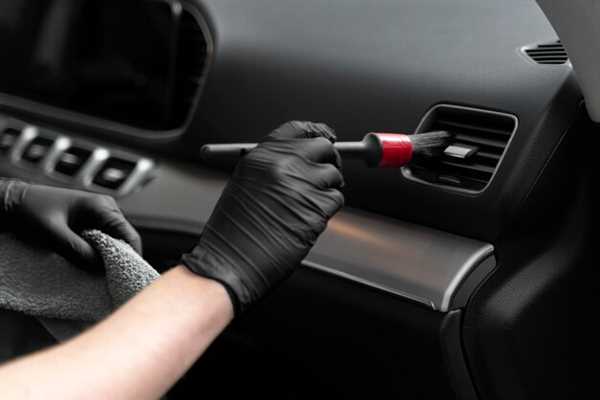
For stubborn stains, a gentle brush can help remove dirt from crevices without damaging components. Avoid harsh chemicals that can degrade plastics and finishes. Consider using an anti-static spray periodically to minimize dust attraction.
Maintaining cleanliness in these areas also enhances visibility and ease of use, especially under varying light conditions. Clean controls reduce the risk of damage, promoting longevity and reliability of features such as climate controls, audio systems, and navigation.
Regular cleaning not only improves the overall ambience of the cabin but can also boost resale value by presenting a well-maintained vehicle. Consistent upkeep can prevent potential issues that arise from neglect, such as sticky buttons or faded displays.
Evaluating and Maintaining Seat Mechanisms for Safety

Regularly inspect the seat adjustment levers and tracks for smooth operation. Ensure that seats can be easily moved forward and backward without obstruction. Look for any signs of wear or damage on the mechanisms that could compromise safety during use.
Check the locking mechanism of each seat to confirm that it securely holds the position once adjusted. Test this by shifting weight in the seat while it is locked in place to guarantee stability during driving. If the seat shifts or feels loose, immediate attention is required.
Examine mounting points for rust or corrosion. Clean these areas and apply protective lubricant suitable for automotive parts to maintain integrity. Damaged bolts or fittings should be replaced promptly to avoid risks associated with seat malfunction.
Inspect electrical connections for powered seats. Look for frayed wires or loose connections that can lead to failures in seat movement or adjustments. Ensure that all functionalities operate as intended, particularly during routine checks.
Consider professional servicing as needed, especially for complex mechanisms such as lumbar support or heating elements. Proper functioning is not only about comfort but directly impacts overall safety during travel.