Regular servicing at established intervals is crucial for keeping your vehicle in top condition. Adhering to manufacturer guidelines not only ensures optimal performance but also significantly elevates the vehicle’s marketability. Make a detailed log of all repairs and check-ups, as potential buyers are more inclined to purchase a car with a transparent service history.
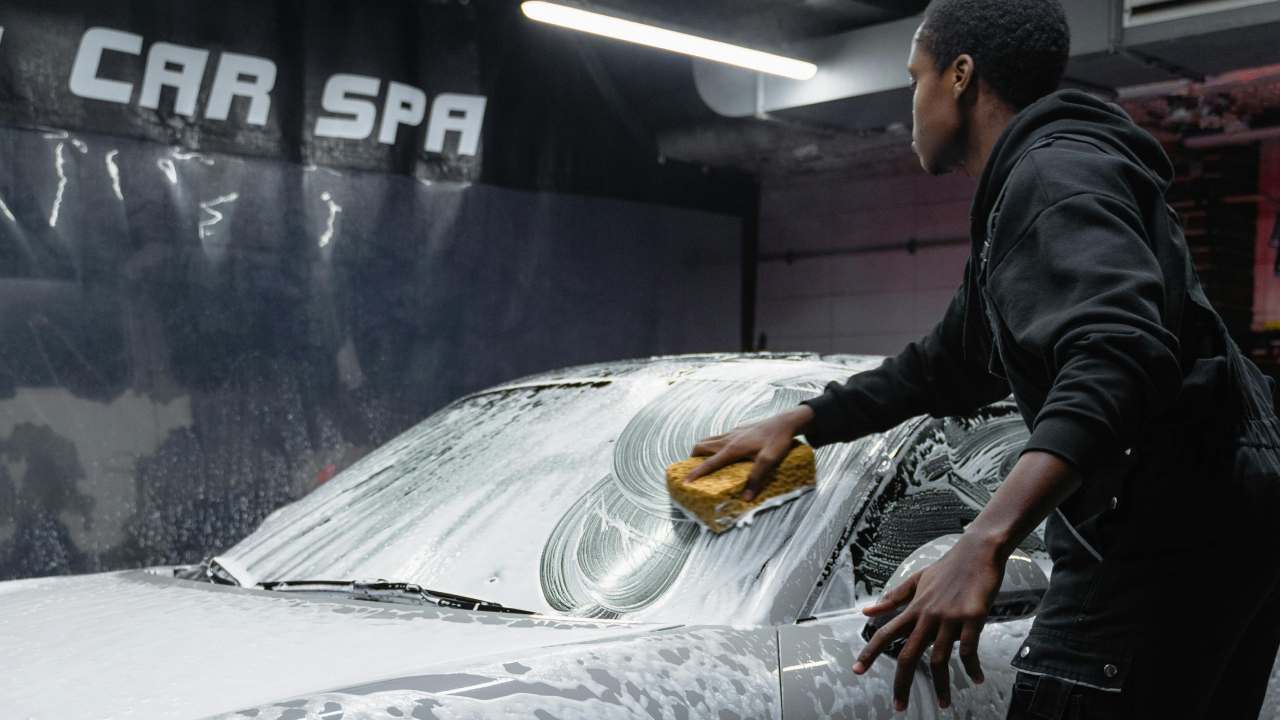
Pay attention to the appearance of your vehicle. Routine washing, waxing, and interior cleaning prevent wear and tear, making it more attractive to future owners. Additionally, invest in high-quality protective products for the paint and upholstery to maintain a fresh look over time.
Address issues promptly. Delaying repairs can escalate minor problems into major ones, ultimately leading to reduced appeal. Regularly check and replace worn-out parts, and ensure that all recalls are addressed without hesitation.
Stay informed about the market trends for your vehicle model. Some features or modifications may enhance appeal, while others could diminish it. Researching what buyers value can guide your decisions on upgrades or restorations.
Regular Fluid Checks and Changes to Maintain Performance

Check engine oil every 3,000 to 5,000 miles; change it if it appears dark or gritty. Use manufacturer-recommended oil for optimal results. Monitor coolant levels regularly; replace every two years or as indicated in the vehicle’s manual. This prevents overheating and ensures engine efficiency.
Inspect transmission fluid bi-annually. If it appears brown or has a burnt odor, replace it immediately to protect transmission health. Brake fluid should be assessed frequently; change every two years to maintain braking performance and safety.
Regularly examine power steering fluid and replace if low or dark. Keep an eye on windshield washer fluid; maintaining an adequate level ensures visibility and safety. All these fluid checks contribute significantly to the long-term reliability and operation of your automobile.
Utilizing OEM Parts for Repairs and Enhancements
Choose OEM (Original Equipment Manufacturer) parts for any vehicle repair and enhancement to ensure compatibility and longevity. These components are designed specifically for your make and model, which means they’ll fit perfectly and perform as intended. Investing in OEM parts not only aids in maintaining the integrity of your vehicle but also reinforces its reliability, preserving its condition over time.
Using OEM replacements can prevent future issues caused by substandard alternatives. For example, an OEM brake pad ensures optimal braking performance, unlike aftermarket options that may compromise safety and efficiency. This reliability translates into higher customer trust and potential interest from future buyers.
When considering enhancements, OEM parts often come with warranties that aftermarket products lack. This further increases the assurance that issues arising from these enhancements will be addressed without additional costs, maintaining the vehicle’s appeal in the market.
Documentation of OEM part usage can also influence potential buyers significantly. Providing records of parts replaced or upgraded with OEM components can add credibility and positively affect negotiations during a sale.
Ultimately, sticking to OEM parts not only enhances performance but also contributes to maintaining a vehicle’s market position, ensuring it remains a sound investment.
Documenting Maintenance History for Future Buyers
Keep a detailed log of all services performed, including dates, types of work completed, and any parts replaced. This will provide potential purchasers with transparent insights into the condition and care of the asset.
Use a standardized format to record information. For instance, create a spreadsheet or an app where you can consistently input data. This ensures clarity and makes it easier for future owners to understand the history at a glance.
Include receipts and invoices as proof of completed work. When compiled with the documented history, these documents enhance credibility and can lead to higher negotiation power when selling.
Highlight any warranties that remain in effect for parts or services. This information can assure potential buyers of the ongoing quality and reliability of the item.
Regularly update the documentation to capture ongoing care. An up-to-date record signals diligence and can significantly influence how buyers perceive the asset’s reliability and longevity.
Consider crafting a summary page that outlines major services, and milestones, or noteworthy repairs. This quick reference can expedite the decision-making process for interested parties.